


At the international conference "Oil and Gas of Turkmenistan – 2025" in Ashgabat, Irina Luryeva, Doctor of Technical Sciences and Head of Laboratory at the Natural Gas Research Institute of the State Concern “Turkmengas”, presented a presentation on the current status and prospects for the development of the Galkynysh field.
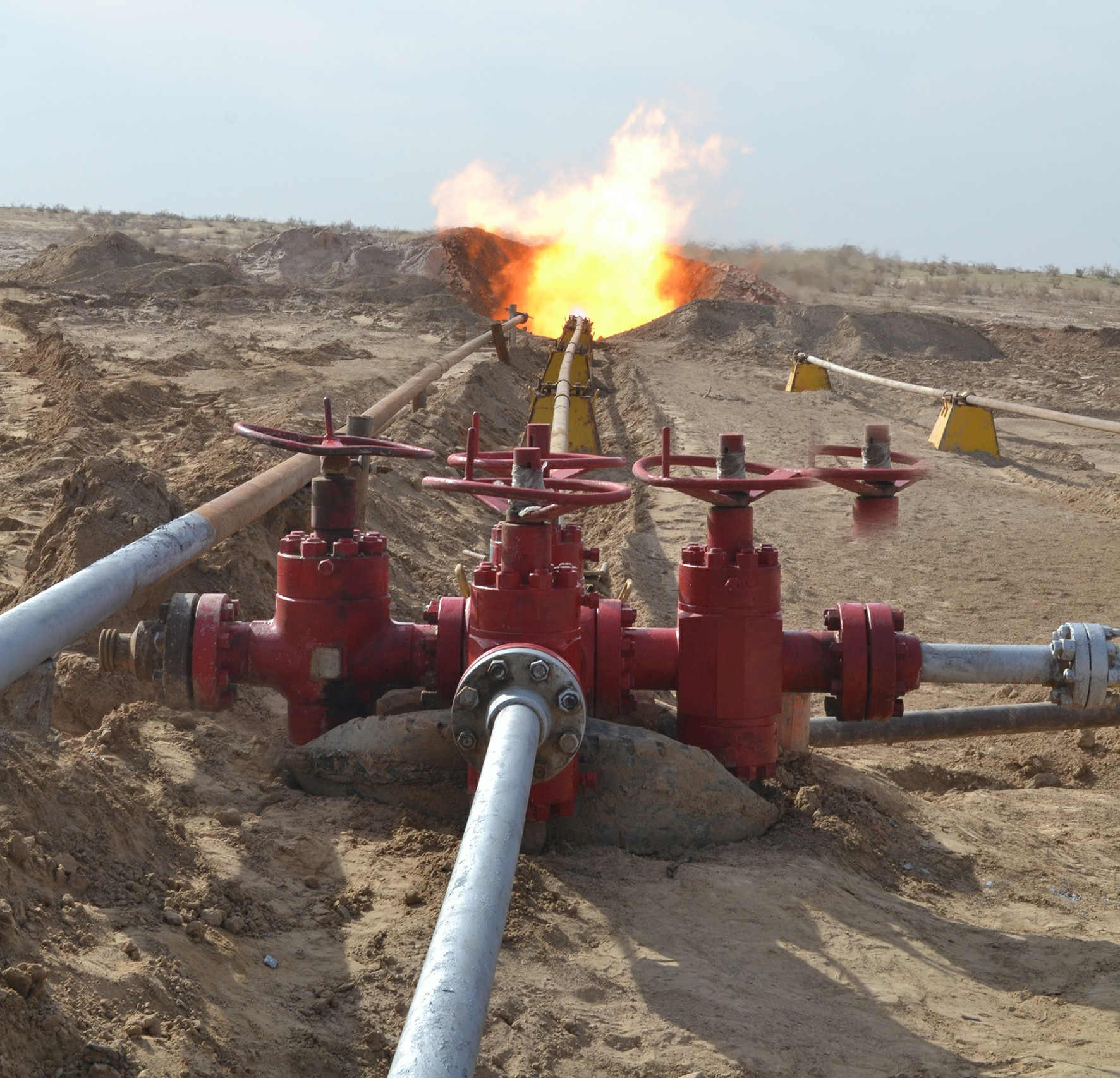
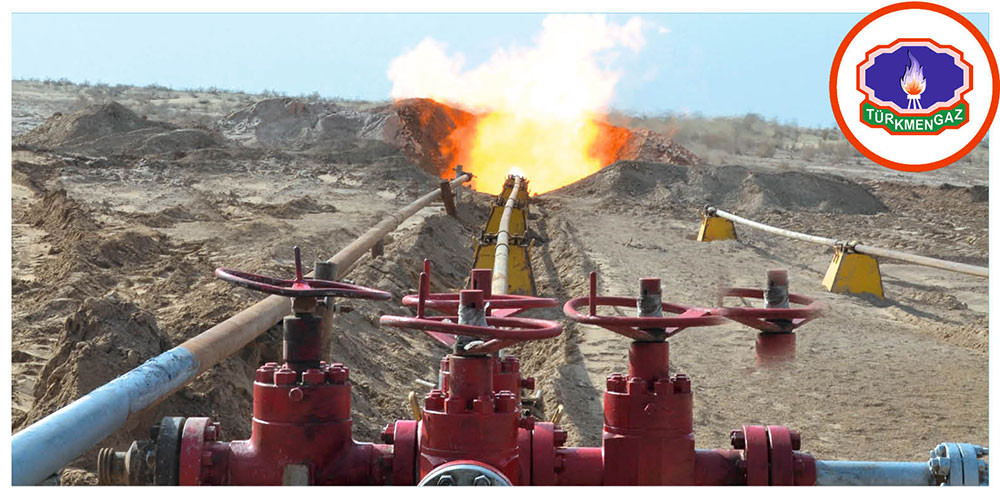
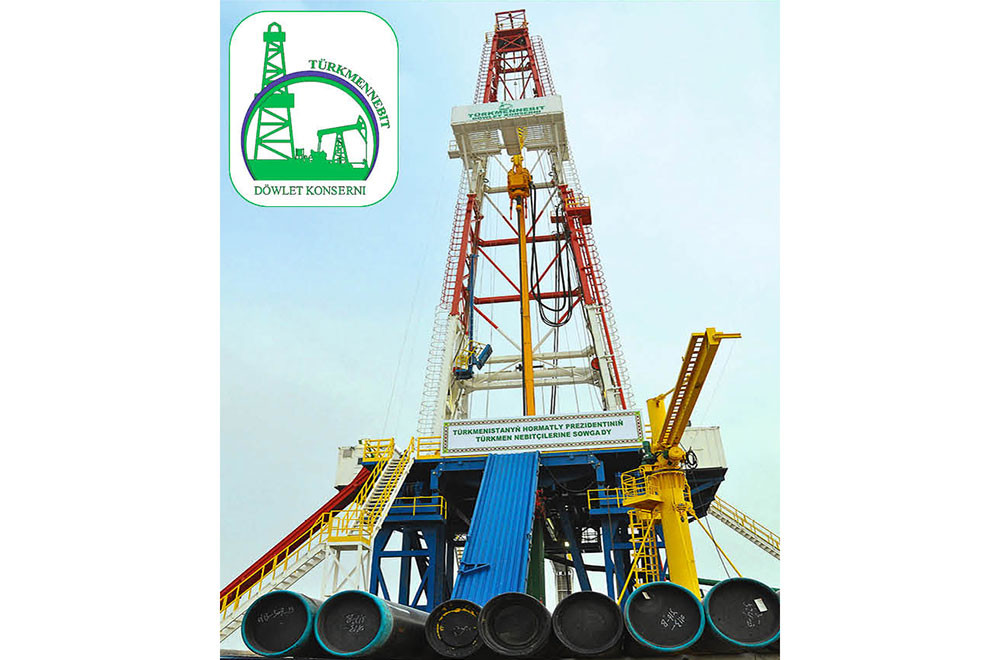
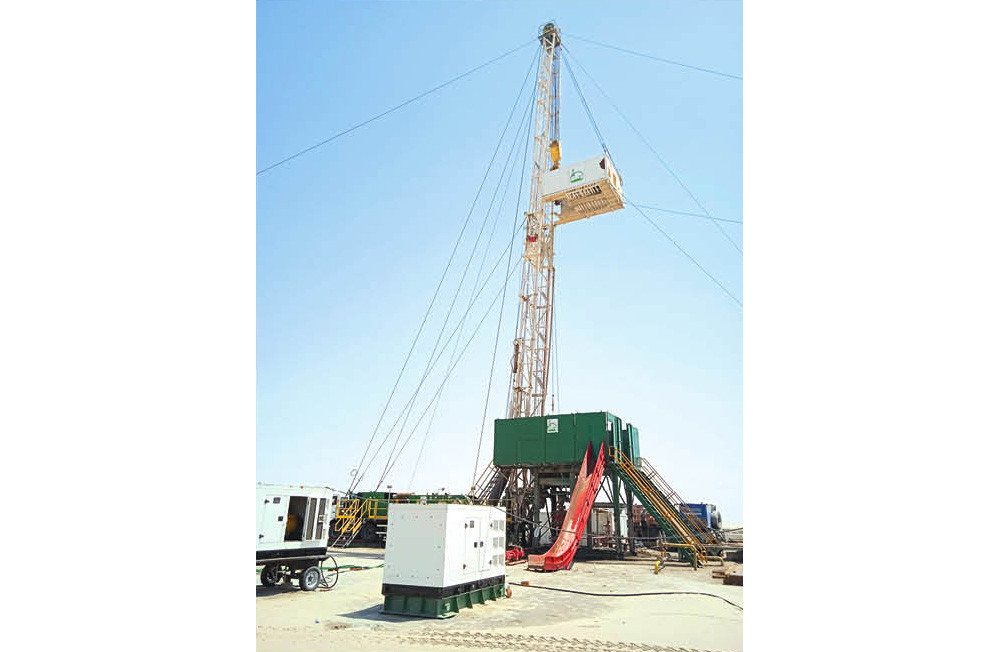
As noted, the Galkynysh field is being developed according to a phased development strategy, which includes seven development stages. Pilot production is currently underway as part of the first stage. There are 52 active production wells, with seven more wells being prepared for connection. Eight wells are actively drilling.
Irina Luryeva emphasized that the average design well flow rate is 1.5 million cubic meters per day, and the reservoir's potential allows for a sustained flow rate of up to 3 million cubic meters per day over the long term. Specifically, three wells capable of stable production at a maximum flow rate of 3 million cubic meters per day were commissioned in 2022. According to forecasts prepared jointly with Gaffney Cline experts, the period of continuous gas extraction at each stage will be over 30 years.
The second, third, and fourth stages of field development are planned for the near future. Gas extraction rates will gradually increase, and the phased development strategy allows for optimal investment allocation, taking into account the operating experience of existing wells, Luryeva noted.
Upon full development of all stages, the field's gross annual production could reach almost 200 billion cubic meters of natural gas.
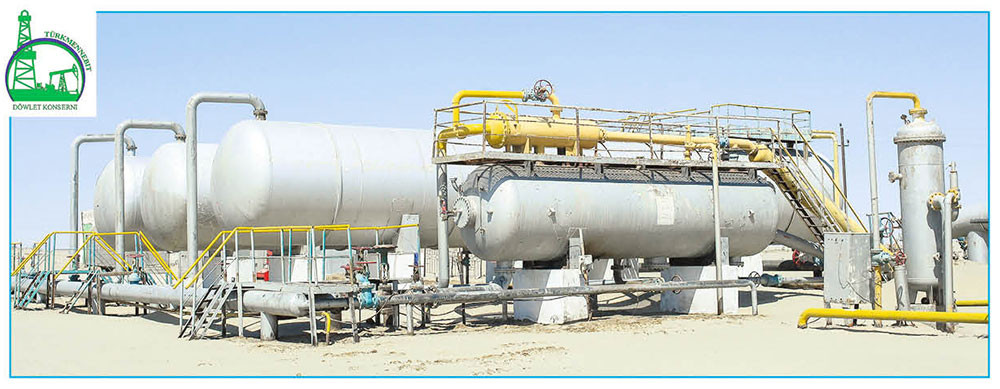
Luryeva also noted that, in addition to drilling and construction of gas treatment plants, significant attention is being paid to technological and environmental issues. Options for injecting carbon dioxide into the field's aquifers and into depleted deposits at neighboring fields are being considered, which will allow for the formation of man-made deposits and reduce environmental impacts.
Irina Luryeva, a Doctor of Engineering Sciences, holds over 20 patents and over 200 scientific publications. She graduated from the Turkmen Polytechnic Institute in 1988, and since 2006 has worked at the Natural Gas Research Institute of the Turkmengas State Corporation, managing the laboratory and mentoring young specialists. Her research interests include hydrodynamic modeling, field development technologies, and well operation.