
Source of green energy
19:29 02.12.2025 2470

Microalgae have a potential to produce several types of renewable fuels. These include methane released during anaerobic fermentation of microalgae biomass; biodiesel produced from oils stored in microalgae; and biohydrogen produced photobiologically.
The idea of using microalgae as an energy source is not new, but it has recently gained popularity due to the shortage and high cost of petroleum products and the problem of global warming caused by the burning of fossil fuels.
Currently, biodiesel is produced from vegetable and animal fats. The technology for producing and using this type of fuel has been known for 60 years. In the United States, biodiesel is primarily produced from soybean plants of the legume family. Other sources of biodiesel include animal fats, rapeseed, palm and corn oils and waste cooking oil.
These feedstocks cannot support large-scale production. Therefore, it is advisable to produce biodiesel using microalgae.
Due to the daily growth of the population and the constant increase in energy consumption, humankind is facing the problem of depleting fossil fuel resources. Furthermore, the use of fossil fuels leads to the emission of greenhouse gases and other pollutants into the atmosphere. Therefore, the rising cost of fossil fuels, their scarcity and the threat of global climate change compel the search for new solutions. One of the most promising approaches to solving this problem is the development of alternative fuels.
Biofuels are a product of the synthesis of animal or plant materials and biological waste. These fuels primarily include bioethanol, biodiesel, biofuels and biogas. The main advantages of using biofuels over traditional ones are high efficiency, low cost and minimal environmental impact.
The production process of fuel from microalgae is virtually waste-free, as the remaining dry biomass, after biodiesel production, retains all its vitamins and valuable nutrients. Therefore, it can be used for food purposes, as pharmaceuticals and as feed for animals and fish. Using microalgae as a biofuel source offers the following advantages:
— Even land unsuitable for farming can be used for microalgae cultivation;
— Microalgae consume carbon dioxide during growth process, thereby reducing greenhouse gas emissions;
— Microalgae-based biofuel has a significant potential for use in existing vehicles, as its molecular structure is similar to that of petroleum;
— Microalgae grow 20–30 times faster than terrestrial plants;
— Fresh, salt and even waste water is suitable for microalgae cultivation;
— Microalgae require little maintenance and no fertilizers;
— Microalgae biofuel production yields more fuel than other crops.
Thus, microalgae, with their ability to grow rapidly and to accumulate biomass, have a great potential as a source of affordable and energy-efficient biofuel, or green energy.
Myahri TANGRYGULIYEVA,
a technical worker at the Renewable
Energy Sources Scientific and Production Center of the State Energy Institute
of Turkmenistan

The President of Turkmenistan took part in the first Central Asia-EU Summit and the Samarkand International Climate Forum
The President of Turkmenistan Serdar Berdimuhamedov, who is on a working visit to Uzbekistan, took part in the first Central Asia-European Union Summit and the Samarkand International Climate Forum on April 4, TDH reports.

The price of Brent rose above $100 per barrel again
Oil prices are rising moderately on Friday morning after falling the day before, foreign media reported.
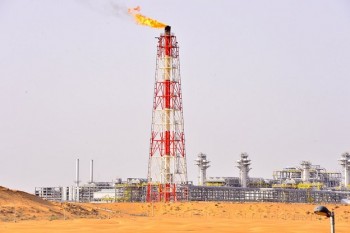
It is planned to increase hydrocarbon production in Balkan region
In the Balkan region, a key region in the oil and gas sector of Turkmenistan, it is planned to increase natural gas production to 11 billion cubic meters per year by 2025. The head of the Department for Analysis of Economic Risks of the Agency for Protection from Economic Risks under the Ministry of Finance and Economy of Turkmenistan, Hangeldi Gurbangeldiev, said this in a commentary for the official Turkmen press.
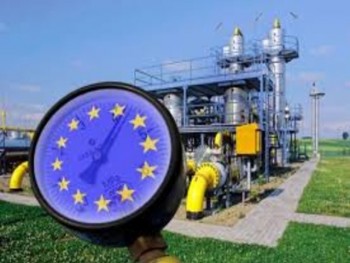
Gas price in Europe exceeded $3,300 per 1,000 cubic meters
The spot price of gas in Europe on Thursday evening continued its active growth. A jump in prices at the end of the European trading session is usually the result of the influence of the growth of quotations in the Asian market, Interfax reports.
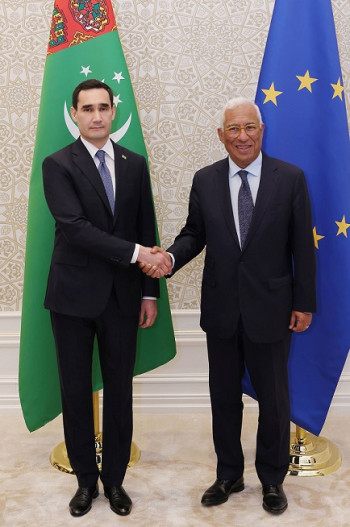
The President of Turkmenistan discussed the prospects for regional cooperation with the President of the European Council
The President of Turkmenistan Serdar Berdimuhamedov, who is on a working visit to Uzbekistan to participate in the first Central Asia-European Union Summit, met with the President of the European Council António Costa on April 3, TDH reports.