
The path to sustainable development and environmental safety
10:24 17.11.2025 3327
Energy efficiency is the economical and effective use of energy, that is, reducing energy costs while achieving the same results (living comfort, production, services, etc.). Success in this area is important not only from an economic but also from an environmental perspective.
In recent years, Turkmenistan has taken a number of steps in this direction. A National Energy Efficiency Strategy is being developed. The goals are to reduce energy consumption and to implement energy-efficient systems in households, plants and government institutions. The use of thermal insulation and energy-saving construction materials in housing construction is being encouraged. Lighting systems in government buildings and city streets are being modernized. Projects for the use of solar and wind energy are being developed. Residential buildings equipped with solar panels and small power plants are being built.
Improving energy efficiency can bring a number of benefits to Turkmenistan. Energy conservation and increased export potential, improved environmental conditions, job creation through the introduction of new technologies and improved living standards are all vivid examples of them.
Improving energy efficiency is not only a technical issue but also a broad area of economic, environmental and social significance. Continuing Turkmenistan’s ongoing work in this area will significantly contribute to the country’s sustainable development, the rational use of natural resources and environmental safety.
Energy conservation reduces production costs, particularly in industry. It creates economic advantages for companies and individuals by reducing electricity and gas costs. Smaller domestic energy consumption reduces dependence on energy imports. Saved energy resources are exported abroad, increasing government revenue. The introduction of energy-saving technologies creates new jobs in the energy and manufacturing sectors.
Reducing crude oil and gas consumption decreases air pollution and CO2 emissions, promoting the efficient use of natural resources. The efficient use of clean energy sources such as solar, wind and hydroelectric power ensures environment protection. It contributes to the protection of local ecosystems through energy savings and increased energy efficiency.
The efficient consumption of electricity and gas ensures a high standard of living. Raising awareness of energy conservation and energy efficiency promotes environmental and economic literacy in society. Energy efficiency contributes to the sustainable development of society and the country’s future generations.
Sustainable energy sources are being developed, and solar and wind energy projects are being implemented.
Energy efficiency is an important component of sustainable development. This area plays a significant role in the policies of countries around the world. Energy efficiency is being improved in various sectors.
Efforts are underway to replace old equipment with new, more efficient units, to implement automation systems, to use electric and hybrid vehicles, to improve road traffic efficiency, to increase power plant efficiency, to utilize renewable resources and LED lamps and to promote efficient water and heat use. The European Union and Japan are leaders in energy efficiency. They insulate older buildings and encourage the introduction of energy-saving technologies. The United States has a special program, “Energy Star”, which provides for the certification of energy-saving equipment. Energy-saving technologies are currently being implemented in Eastern countries, including Turkmenistan.
Despite Turkmenistan’s energy potential, its efficient use is being promoted as a priority. In recent years, LED lighting systems have been widely used. Thermal insulation is being improved in new buildings. Pilot projects for solar energy are being implemented. Special strategies in this area are being developed at the state level, and international cooperation is being strengthened. Efficient energy use helps conserve natural resources, reduce costs, clean the environment and promote sustainable development.
The National Strategy of the Development of Renewable Energy until 2030 sets goals such as the use of renewable energy sources (solar, wind, etc.) and improved energy efficiency. Key areas of the strategy include introducing standards such as energy audits and energy passports, improving the energy efficiency of buildings and structures, installing insulation systems and energy-efficient equipment, developing renewable energy sources, focusing on the potential of solar energy, raising public awareness and engaging the private sector, information companies, youth and public organizations.
Fuels such as oil and natural gas are limited, and their prices are rising over time. Excessive energy consumption contributes to climate change, carbon emissions and the depletion of natural resources.
The main ways to save energy are using energy-saving lamps and appliances, improving energy efficiency in industry and at homes, expanding the use of permanent electric drive systems in automobiles and electric vehicles and developing national energy conservation programs.
Novruz
MERDANOV,
a
student of the Border Institute of Turkmenistan
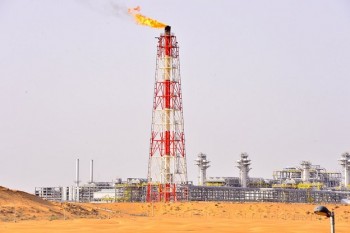
It is planned to increase hydrocarbon production in Balkan region
In the Balkan region, a key region in the oil and gas sector of Turkmenistan, it is planned to increase natural gas production to 11 billion cubic meters per year by 2025. The head of the Department for Analysis of Economic Risks of the Agency for Protection from Economic Risks under the Ministry of Finance and Economy of Turkmenistan, Hangeldi Gurbangeldiev, said this in a commentary for the official Turkmen press.
Gas price in Europe exceeded $3,300 per 1,000 cubic meters
The spot price of gas in Europe on Thursday evening continued its active growth. A jump in prices at the end of the European trading session is usually the result of the influence of the growth of quotations in the Asian market, Interfax reports.
The price of Brent rose above $100 per barrel again
Oil prices are rising moderately on Friday morning after falling the day before, foreign media reported.
The President of Turkmenistan dismissed the Deputy Chairman of the State Concern «Turkmennebit»
By the Decree of the President of Turkmenistan, Mammedov Toygeldi Bayrammyradovich was dismissed from the post of Deputy Chairman of the State Concern «Turkmennebit» as he failed to cope with the duties assigned to him.
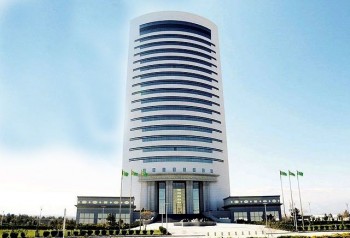
Transactions for the export of LNG and jet fuel were entered at exchange trading
On Monday, August 22, 12 transactions were concluded at the State Commodity and Raw Materials Exchange of Turkmenistan for a total of $5.4 million, the ORIENT news agency reported.