
Methods of obtaining hydrogen and the possibilities of its use
07:41 08.07.2025 3471
Currently, 85 percent of the world’s hydrogen is produced using steam methane reforming technology, 10 percent from oil and coal, and only 5 percent from water using electrolysis.
Within the framework of the Paris Agreement on reducing carbon emissions into the atmosphere, especially greenhouse gases and CO2, world experts have reached an agreement on a phased transition from carbon compounds: coal, natural gas and other fuels to environmentally friendly hydrogen energy. In particular, due to the growing demand in the world for low-carbon energy and the transition to hydrogen fuel, a change in the structure of demand for energy resources in the world market is expected in the future.
Diverse work is being carried out in Turkmenistan to develop international cooperation in the field of hydrogen energy, to study the experience of leading foreign scientific centers and companies, to collect and analyze data.
Hydrogen does have a number of advantages over methane as a fuel, although it has its drawbacks. Hydrogen is 8 times lighter than methane, has a higher heat capacity (7 times) and thermal conductivity (54 times), and a higher heat of combustion by 2.5 MJ/kg. In other words, when burning 1 kilogram of hydrogen to obtain the same amount of heat, it is necessary to burn 2.5 kilograms of methane.
The huge resources of natural gas in Turkmenistan indicate that our country has a potential to contribute to the development of hydrogen energy in the future.
There are several thermal and catalytic methods for producing hydrogen in laboratory and industrial conditions, including:
Method 1 – steam reforming of water. One of the main and most common methods is the production of hydrogen at high temperatures based on the conversion of natural gas into water vapor. This method releases a large amount of CO2, which is not emitted into the atmosphere, but is processed in agriculture in the technology of producing urea fertilizers. For example, currently, the production of ammonia at the Tejen, Mary and Garabogaz urea plants requires the use of large amounts of hydrogen. This process occurs at high temperatures (420 °C) and high pressures (28 MPa) with the participation of a catalyst. Currently, it is considered more environmentally friendly and technically and economically advantageous to separate hydrogen from methane and reuse CO2 as an intermediate product.
Method 2 – water electrolysis. This method requires a large amount of electricity and electrolysis equipment. To obtain electricity, a large amount of fuel energy and investments are required, and its cost increases.
Method 3 – salt water is cooled to -30 °C, then activated oxide MgO2 or Al2O3 is added, releasing pure H2. In this case, 1 kilogram of hydrogen is released per 1 kilogram of magnesium oxide. The disadvantage of this method is the problem of cooling salt water to low temperatures, but this method can be effective in countries with a cold climate (Antarctica).
Method 4 – catalytic reforming and thermal pyrolysis. In this method, methane reacts with water vapor or oxygen at high temperatures in the presence of a catalyst, forming synthesis gas (a mixture of H2 and CO), and then methanol (example – Ahal gasoline plant).
Method 5 – thermal pyrolysis – when cracking ethane at high temperatures (850 °C), ethylene is formed and hydrogen is released (example – Kiyanly Polymer Plant (KPP)).
In addition, in world practice, there are several methods for producing hydrogen, namely from biomass and algae and by chemical reaction of water with metals.
Arslanmyrat SOLTANNAYEV,
Head at the Laboratory of the Natural Gas Research Institute of the Türkmengaz State Concern
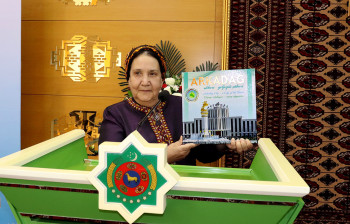
The presentation of the book "Arkadag - city of the future" was held
The presentation of the book "Arkadag - city of the future", published by the Turkmen State Publishing Service in the "Year of Happy Youth with Arkadagly Serdar", was held in the Central building of the oil and gas complex of Turkmenistan.
OPEC Secretary General: the organization is open to new members
OPEC will be happy to expand, open to all, Secretary General of the organization Haytham al-Gais told reporters, Interfax reports.

The Democratic Party of Turkmenistan nominated Serdar Berdimuhamedov as a candidate for the post of President of the country
Vice-Chairman Serdar Berdimuhamedov has become the first candidate for the post of head of state in the upcoming early presidential elections in Turkmenistan. His candidacy was nominated and unanimously supported at the IX Extraordinary Congress of the country's Democratic Party, held on Monday.
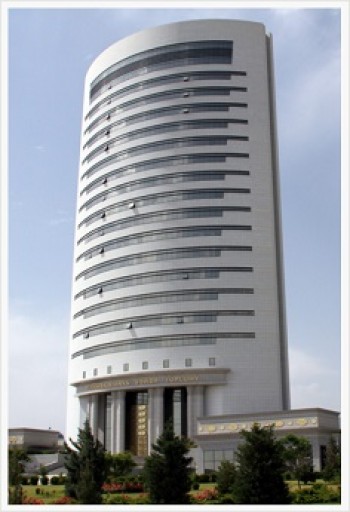
Products of TCOR and SC «Turkmengas» are in the top of exchange trading
89 transactions were registered at the auctions of the State Commodity and Raw Materials Exchange of Turkmenistan last week.

The President of Azerbaijan discussed key aspects of cooperation with the head of the Ministry of Foreign Affairs of Turkmenistan
On July 3, the President of the Republic of Azerbaijan Ilham Aliyev received the Minister of Foreign Affairs of Turkmenistan Rashid Meredov, the Foreign Ministry of Turkmenistan reports on its website (https://www.mfa.gov.tm/ru/news/5378)